


Table of Contents
The apparel industry faces unique fulfillment challenges that can make or break customer relationships. With return rates reaching up to 40% for online fashion purchases, managing inventory across multiple SKUs, handling seasonal fluctuations and delivering fast, accurate orders requires specialized expertise. For apparel brands, getting fulfillment right is a critical part of defending your brand identity, securing customer loyalty and fostering sustainable growth in a highly competitive market.
With that in mind, this guide covers all the best practices for apparel fulfillment, from inventory and picking orders all the way to shipping and returns, providing you with the best practices for each along the way.
Storage & inventory management
Effective apparel inventory management starts with understanding your product mix complexity. Unlike other industries, fashion brands typically manage hundreds or thousands of SKUs across multiple sizes, colors and styles. This complexity demands systematic approaches to storage, tracking and replenishment.
As a result, it’s often the case that you’ll need to optimize how you manage your inventory. The table below provides overviews of the most important inventory management techniques for apparel brands.
Best practices for apparel fulfillment: Inventory management |
|||
|---|---|---|---|
|
Practice |
Description |
Best for dealing with… |
(Average) expected outcomes |
|
ABC Analysis |
Prioritizing SKUs into categories (ex. A, B, C) based on value or velocity |
Managing high SKU variety |
≤25% reduction in inventory levels |
|
Centralized inventory management |
Centralizing inventory management from all channels under a single unified system |
10%-15% reduction in holding costs |
|
|
Real-time tracking |
Using order management or warehouse management systems for inventory updates |
Dealing with shifting size/color variants |
20%-30% improvement in inventory accuracy |
|
AI-powered demand forecasting |
Using machine learning to predict fluctuations in demand |
Seasonal/market-based surges in demand |
≤30% reduction in forecasting errors |
ABC analysis, in particular, is an essential inventory management technique for apparel brands to reduce travel time for the highest-velocity products. Classify products based on revenue contribution:
- A-items (top 20% of revenue) should occupy prime picking locations close to the packing stations
- B-items (next 30%)
- C-items (remaining 50%) in overflow areas
In reality, the effectiveness of your inventory management system depends on each part working together in sync. Rather than implementing one of the techniques listed above, consider the effect on your fulfillment if you had all of them working at the same time.
Picking and packing excellence for fashion items
Aside from something like barcode scanning (which should already be implemented in your fulfillment model) to reduce picking errors, it’s important to think about how the way you pick items once they are ordered affects overall fulfillment.
There’s no one right way to optimize your picking process; the table below provides an overview of the four most commonly used picking methods for apparel brands:
Best practices for apparel fulfillment: Picking |
||
|---|---|---|
|
Picking type |
Description |
Best for dealing with |
|
Zone |
Warehouse is divided into zones; each picker is assigned a zone and only picks SKUs in that area |
Large SKU counts, multiple pickers, reducing picker travel time |
|
Batch |
Picker collects items for multiple orders at once in a single trip |
High order volume with many small orders; improves picker efficiency |
|
Wave |
Orders are grouped and released in waves based on criteria (e.g., carrier cutoff, SKU similarity) |
Meeting shipping deadlines and organizing picks by timing or carrier |
|
Cluster |
Picker gathers items for multiple orders in bins or totes during one trip, keeping each order separate |
Medium order volume; reducing individual trips while maintaining order separation |
Fashion brands must treat packing as part of the customer experience, arguably much more so than with other industries, since so much of their brand relies on a unique customer experience. Consistent folding techniques ensure items arrive looking retail-ready. Train packers on proper garment folding to minimize wrinkles and maintain professional presentation.
Best practices for apparel fulfillment: Packing |
||
|---|---|---|
|
Packing element |
Standard practice |
Brand impact |
|
Folding technique |
Consistent, retail-ready |
Professional presentation |
|
Protective packaging |
Poly mailers with padding |
Prevents damage, returns |
|
Branded elements |
Custom mailers, inserts |
Reinforces brand identity |
|
Quality checks |
Visual inspection pre-pack |
Reduces quality complaints |
Custom-branded packaging elevates the unboxing experience and reinforces brand identity. This might include branded poly mailers, tissue paper, thank-you cards or promotional inserts. While adding cost, branded packaging typically increases customer lifetime value and reduces return rates.
Shipping strategies for fashion-forward customers
Customer expectations are one of the most brutal elements of working in the fashion industry, and shipping is perhaps one of the best examples. A Finances Online report issued just last year placed cart abandonment rates among the highest of any industry at a whopping 78%. Nearly a quarter of those abandonments were due to long delivery times.
Meeting these expectations requires strategic warehouse placement and carrier relationships - potentially with a more capable fulfillment model than your standard 3PL can provide.
Multi-warehouse distribution
The physical network of fulfillment centers available greatly impacts the speed at which you will be able to deliver to your customers. Consider this visualization of how Cart.com’s fulfillment network affects average delivery times compared to an industry-standard 3PL, which often takes up to 4+ days for fulfillment:
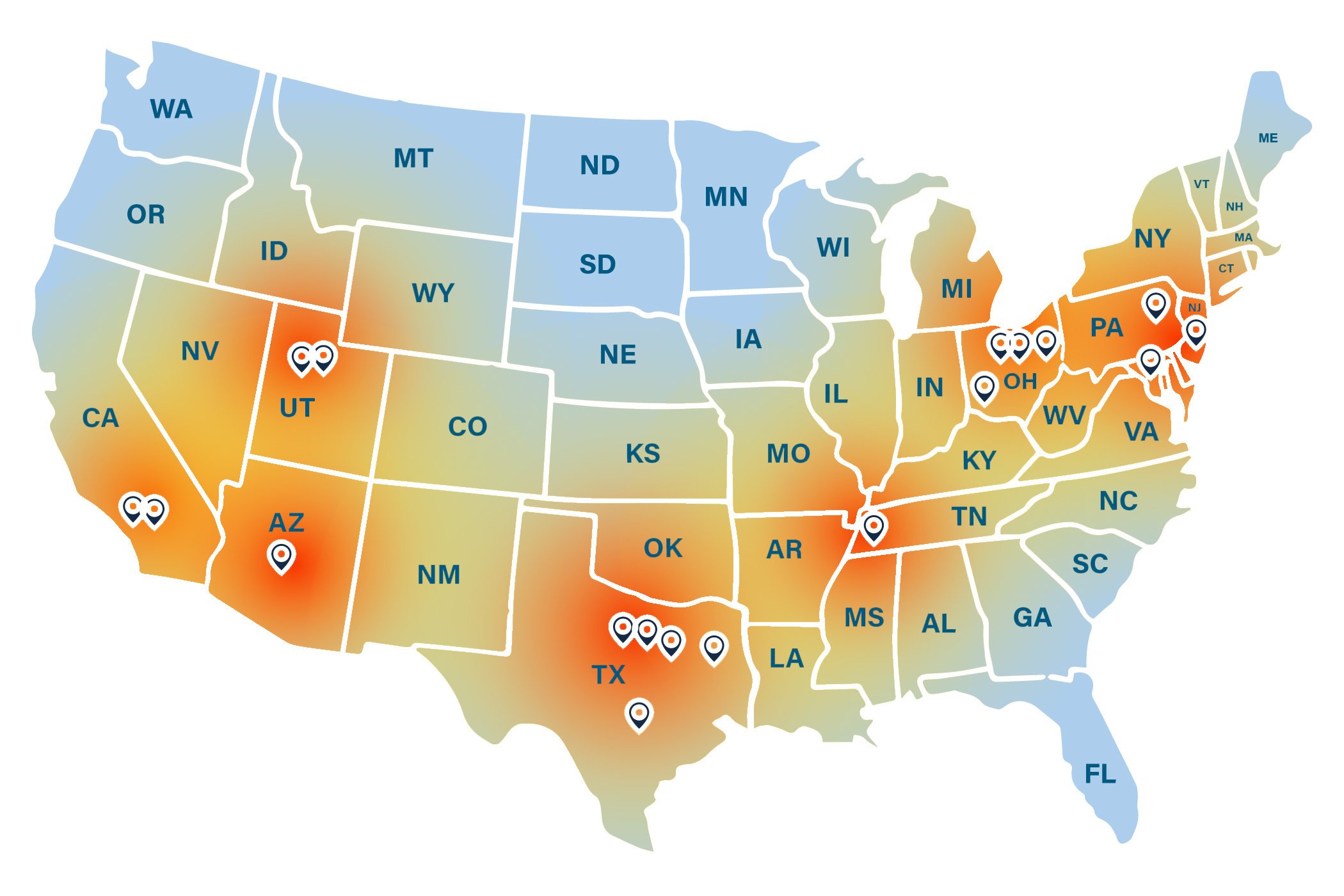
⏹ 1-day shipping | ⏹ 2-Day Shipping
In addition to its physical network of centers, Cart.com has the advantage of a proprietary order management system (OMS) that automatically routes incoming orders to the closest fulfillment center, adding an additional layer of security to your delivery times.
Combining technology with infrastructure doesn’t just benefit you; it also gives fashion shoppers better visibility into their order status by providing:
- Order confirmation within minutes of purchase
- Shipping notifications with tracking numbers
- Delivery date estimates
- Exception handling for delays
Returns processing that maximizes value recovery
Returns are inevitable, but proper processing can help you recover significant value while maintaining customer satisfaction. Industry data shows well-managed returns can recover 60-80% of the original item value through resale.
Average returns value for apparel brands |
||
|---|---|---|
|
Return condition |
Recovery action |
Average value recovery |
|
Like new |
Immediate resale |
60-80% |
|
Minor defects |
Repair/repackage |
40-60% |
|
Worn/damaged |
Outlet/liquidation |
15-30% |
|
Unsaleable |
Recycle/dispose |
0% |
Streamlined returns portal
Self-service returns portals reduce customer service burden while providing convenience by allowing customers to:
- Initiate returns online without phone calls
- Print prepaid return labels
- Track return status
- Choose refund or exchange options
When optimizing your returns process, implement systematic quality checks for returned items. In addition, staff should be trained to assess and route items appropriately. Items in sellable condition should be repackaged and returned to inventory within 24-48 hours to minimize lost sales opportunities.
Remember, returns are more than just cutting your losses. Return data provides valuable insights into product quality, sizing issues and customer preferences. For this reason, be sure to track return reasons and use this data to improve product descriptions, sizing charts and quality control processes.
How Cart.com enables apparel fulfillment best practices
If you are reading this article, it’s likely that you are:
- Engaging in self-fulfillment and considering a 3PL
- Currently working with a 3PL and considering if you need a better one
The reality is that an advanced 3PL like Cart.com provides apparel brands with the best means of handling the complexities of fulfillment. Our technology and operational expertise help brands implement industry best practices at scale.
Advanced technology integration
Our proprietary fulfillment software integrates with leading ecommerce platforms and marketplaces, providing real-time inventory visibility across all sales channels. AI-powered demand forecasting helps predict seasonal trends and optimize inventory allocation across our nationwide network.
The platform automatically routes orders to the optimal fulfillment center based on inventory availability, shipping costs and delivery speed requirements. This ensures customers receive orders quickly while minimizing shipping expenses.
A nationwide network of fulfillment centers
Cart.com fulfillment centers feature dedicated apparel processing areas with:
- Climate-controlled storage for sensitive fabrics
- Specialized hanging systems for wrinkle-prone items
- Custom kitting capabilities for outfit bundles
- Branded packaging and insert services
- Dedicated returns processing stations
Our fulfillment teams are trained in apparel-specific handling techniques, from proper garment folding to quality assessment standards. This expertise ensures your products arrive in excellent condition, reducing returns and customer complaints.
Apparel fulfillment audit checklist
The following checklist was created by our teams to help apparel brands evaluate and optimize their fulfillment. Ideally, you should be able to check every box.
Inventory management
- Real-time inventory sync across all sales channels
- ABC analysis implemented for SKU prioritization
- Demand forecasting for seasonal planning
- Safety stock levels optimized by product velocity
Picking and packing
- Barcode scanning at pick and pack stations
- Zone picking strategy implemented
- Consistent garment folding standards
- Quality inspection before packing
Shipping and delivery
- 2-day shipping available to major markets
- Real-time tracking provided to customers
- Carrier performance monitoring in place
- Shipping cost optimization by zone
Returns processing
- Self-service returns portal available
- Quality assessment process documented
- Value recovery tracking by condition
- Return reason analysis for improvements
Technology and integration
- Fulfillment system integrated with ecommerce platform
- Automated order routing capabilities
- Real-time reporting and analytics
- Exception handling workflows
In the event that you are not able to check every box with your current fulfillment network, it may be time to consider an upgrade.
Scale your apparel fulfillment with Cart.com
Successful apparel fulfillment requires specialized expertise, advanced technology and strategic warehouse placement. Cart.com combines all three to help fashion brands deliver exceptional customer experiences while optimizing costs and operational efficiency. Reach out here to see how we can make your apparel brand look its best.