The fashion industry ranks as one of the world's most resource-intensive sectors, so more businesses now direct their entire operation toward sustainability. The market demands alternative brands which focus on ethical production methods from consumers who want sustainable choices.
Read on to discover what sustainability means in fashion. Learn how to create a successful business that cares for the environment and society.
What sustainable fashion actually means in 2025
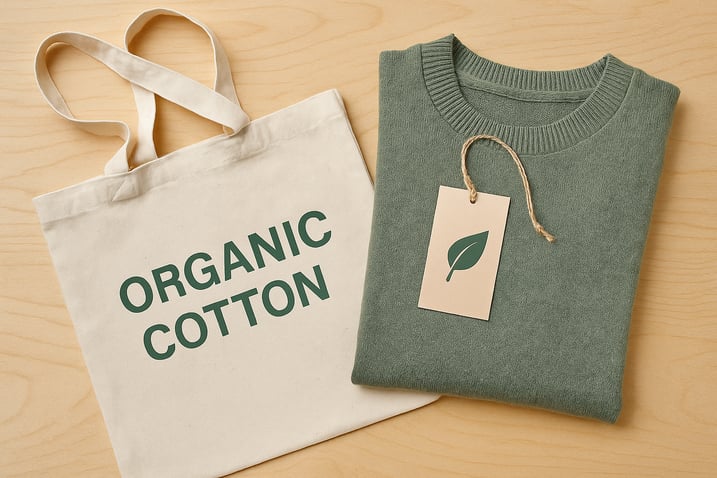
Brands that care about sustainability start their change by looking at the materials they use to make products. Natural fibers like organic cotton, hemp, and linen use fewer chemicals. They also need much less water than regular textiles. Recycled fabrics turn waste into new products. Upcycled materials change discarded items into useful things.
Sustainable fashion prioritizes people alongside environmental concerns. Your business must operate ethically through wage fairness and workplace safety standards. Your supply chain must completely ban child labor and forced labor practices.
Your first step should be to work exclusively with certified manufacturers while supporting artisan communities. Brand authenticity becomes more visible when you make genuine efforts.
Lastly, durability helps reduce the industry's environmental impact. Timeless designs coupled with strong construction extend clothes' life. Services such as repair programs, resale and take-back campaigns keep fashion items out of landfills and in circulation instead.
When put together, you can create a strong revenue stream while still reinforcing the brand values you established firsthand.
Six actionable tips to grow your sustainable fashion ecommerce brand
Tip #1: Build a mission-driven brand that connects with conscious consumers
Your brand should focus on a particular issue among waste reduction, cultural preservation and climate change. Every decision at your company should be guided by three to five core principles, which include honesty, equity and community.
Your mission, values and audience should influence your brand design. You can create emotional connections with your customers by showcasing artisans, supply chains, and measurable community impact.
Tip #2: Adopt business models that align profit with sustainability
Consider the rental apparel market as part of your business model. The rental apparel market reached $6.26 billion in 2023 and is projected to grow to $7.45 billion by 2026. Research shows that renting a single cotton dress can reduce carbon emissions by 41% compared to traditional retail. Beyond sustainability, rental helps prevent return fraud by monetizing one-time wear.
Another business model that continues to expand is the resale and repair models, which extend clothing lifecycles while creating new profit centers.
Tip #3: Make the most of growth marketing to scale your sustainable brand online
Your fashion brand can succeed when you create movements. This happens through immersive content marketing and social campaigns highlighting craftsmanship, worker stories, and positive community impact. Your ecommerce platform enables you to use webinars, blog content and facility tour videos as marketing tools. Your customers will become brand advocates when you interact with them through these communication channels.
Your social campaign should include working with micro-influencers who maintain authentic and sustainable values. Authentic partnerships create a more authentic impression than celebrity endorsements do. Plus, these partnerships support creators who share your values while delivering driving engagement to your own brand.
To maximize your reach, secure coverage for your business from eco-conscious, fashion-forward media outlets. PR remains a cost-effective way to establish thought leadership in ethical fashion. To stand out, your brand story should be unique and avoid being generic. This should be your guiding principle.
Tip #4: Optimize your ecommerce site for impact and conversion
Sustainable fashion consumers follow unique shopping patterns which differ from traditional fashion consumers. They dedicate longer periods to product research and thoroughly evaluate reviews before selecting products based on detailed product information instead of promotional deals.
Your ecommerce site should maintain a clean design, fast loading speed and a lightweight construction to reduce digital pollution. Your potential customer base can expand through accessibility features, which also shows your dedication to inclusivity. Your website should use alt text together with readable fonts and screen-reader compatibility. The product pages must provide complete details about materials, together with production methods, sizing charts and maintenance guidance.
Create a specific webpage to share your brand narrative with customers. Share who made each product and what makes it one of a kind. Display measurable impact, such as waste diverted or water saved.
All of these elements can make your sustainability commitments come into focus, making it your strongest selling point.
Tip #5: Consider expanding into new markets and channels
This process requires market research to identify new business opportunities across various customer groups and geographic locations.
Afterwards, your company should establish partnerships with online marketplaces that match your values or work with ethical brick-and-mortar retailers. The new distribution channels should improve your brand positioning instead of damaging it.
Tip #6: Track, measure, and showcase your impact
Create specific KPIs that measure both business results and your environmental footprint. You should track carbon reduction, water savings, waste diversion and worker condition improvements as part of your metrics.
Release impact reports on a regular basis to demonstrate transparency while proving your dedication to your stated values. The metrics can be used in marketing campaigns to demonstrate to customers how their actions create tangible effects.
Make your commitment to the planet your strongest selling point
Growing as a sustainable and ethical fashion brand comes with more nuisances than the traditional ecommerce business. It requires having a clear purpose and an authentic marketing that roots itself in trust.
Cart.com's Growth Marketing Team specializes in developing strategies for ethical fashion brands to grow responsibly. Connect with Cart.com now to expand your sustainable fashion ecommerce business while staying true to your values.