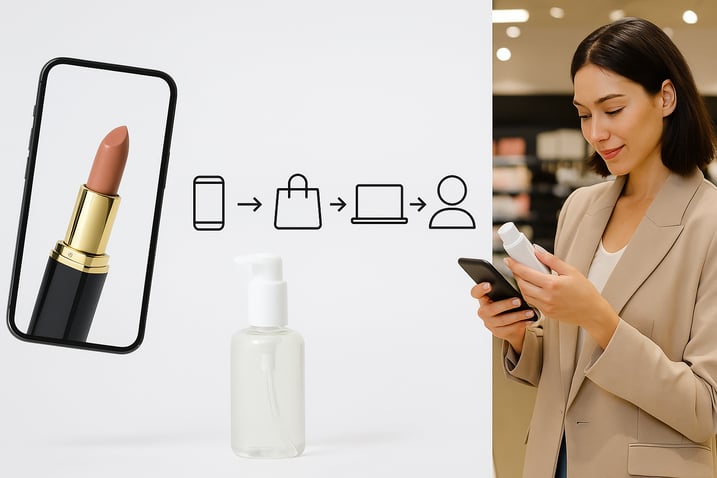
Nowadays, beauty shoppers don't think in terms of "online" versus "offline" shopping. They might discover a new lipstick on Instagram, head to a store for a shade match and then complete their purchase online using loyalty points. Their expectations aren’t shaped by individual platforms; they’re shaped by the overall customer experience.
In the beauty industry, brands that invest in creating connected, data-informed experiences are better positioned to drive growth and retention.
This article outlines what omnichannel excellence looks like in practice and provides a framework for brands seeking to change up their operations.
What omnichannel really means for beauty retail
Omnichannel isn't just about selling on multiple platforms. It's about creating one unified shopping experience where all your touchpoints work together seamlessly. Each step should feel like part of the same conversation with your brand, not separate interactions.
This matters because today's shoppers expect brands to meet them wherever they are, with full context about their preferences and shopping history. When you nail this, customers feel understood and valued at every touchpoint.
Why beauty brands are going omnichannel
The benefits of getting omnichannel right go straight to your bottom line:
Stronger brand loyalty happens when shoppers get consistent experiences everywhere they interact with your brand. This keeps them coming back and leads to higher Average Order Value (AOV).
Better personalization becomes possible when you have a complete view of each customer across all channels. You can recommend products they'll actually want, offer relevant promotions and make shopping easier.
Higher sales and retention follow naturally when you remove friction from the shopping process. Customers complete more purchases and buy more often when the experience is smooth.
Competitive advantage is immediate, especially against brands still stuck in traditional retail models. When you make shopping easier than your competitors do, you win more customers.
What omnichannel excellence looks like in beauty ecommerce
A successful omnichannel experience is rooted in the following:
Consistent brand experience everywhere
Your visual identity, messaging and pricing must align across online and offline to avoid customer confusion and reduce operational complexity. When a customer sees a promotion online, they should be able to use it in-store too.
Smooth movement between channels
The best beauty brands make it easy to start shopping in one place and finish somewhere else. This means seamless shopping experiences by offering services like:
- Buy online, pick up in store (click-and-collect)
- Easy returns to any location, regardless of where the item was purchased
- Ability to view local inventory or delivery timelines
- Loyalty points that work everywhere – app, website and physical stores
Smart personalization using real data
When you connect customer data from all touchpoints, you can create truly personalized experiences. This may mean:
- Product recommendations based on browsing history, past purchases and stated preferences
- Personalized landing pages that show relevant products
- "Complete the look" bundles tailored to individual customers
- Special offers based on shopping behavior across all channels
Technology that enhances the in-store experience
Physical stores shouldn't feel separate from digital experiences. Leading beauty brands use technology to bridge this gap:
- Virtual try-on mirrors that let customers test products digitally
- In-store tablets where customers can access online reviews, check stock and place orders
- Staff equipped with customer insight to provide personalized service
- Smart shelves that provide instant product information
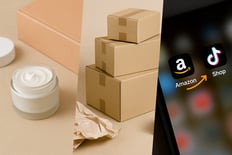
Flexible fulfillment that puts customers first
Beauty customers want their products fast and convenient. This means robust logistics and fulfillment operations:
- Real-time inventory visibility so customers know what's available and where
- Flexible shipping options, including split shipments when needed
- Ship-from-store capabilities for faster delivery
- Clear, easy return policies that work across all channels
- Research shows that 77% of shoppers will abandon a purchase if the buying process feels too complicated, making fulfillment a key driver of conversion.
Case spotlight: Hanni + Cart.com: A beautiful 3PL partnership
Hanni, a fast-growing D2C beauty brand known for body care products, needed a fulfillment solution that could scale alongside its growth. After securing an exclusive retail partnership with Sephora, Hanni required a 3PL partner capable of handling both D2C and retail operations with efficiency and transparency.
Cart.com provided a nationwide network of fulfillment centers and trained staff, meeting demand fluctuations without sacrificing customer satisfaction. The partnership demonstrates how operational scalability and omnichannel coordination can directly support brand growth.
Why many beauty brands struggle with omnichannel
Despite the clear benefits, many beauty brands haven't achieved true omnichannel success. Here's why:
High upfront costs can be intimidating. Building integrated systems requires investment in new technology, staff training and process changes.
Complex data management is challenging. Keeping inventory, customer preferences and behavior data synced in real-time across all channels requires sophisticated systems.
Coordination difficulties arise when different teams manage different channels. Aligning promotions, pricing and customer service across all touchpoints takes careful planning.
Inconsistent customer support can ruin an otherwise smooth experience. When customers can't get help seamlessly across channels, frustration builds quickly.
What’s next for the future of omnichannel beauty
Several trends are shaping what's coming next:
Hyper-personalization powered by AI will create even more tailored experiences. Brands will use machine learning to predict what customers want before they even know it themselves.
Sustainability integration will become standard. Customers increasingly expect eco-friendly options like carbon-neutral shipping, minimal packaging, and sustainable pickup choices.
Voice and chat commerce will streamline shopping. Customers will discover and buy beauty products through voice assistants and chat interfaces across different channels.
How to build an omnichannel strategy for your beauty brand
For brands looking to mature their omnichannel strategy, you can:
Start with the right technology foundation. Choose platforms that can handle unified customer data, real-time inventory management and flexible order processing. Look for systems that can manage complex scenarios like split shipments and click-and-collect seamlessly.
Empower your teams with customer context. Customer service and store teams need access to the same insights and context as marketing and ecommerce leads. When every part of the business understands the customer journey, they can provide much better service.
Partner with experts who understand the full customer journey. The most successful beauty brands work with partners who can optimize everything from paid advertising to customer retention and reactivation strategies.
If you’re ready to turn omnichannel from a buzzword into a revenue driver, talk to Cart.com’s Growth Marketing Team about what’s possible for your brand. Let’s close the gap to align your channels, systems and customer data into one connected journey.